Melba Rural Fire Protection District Station: 408 Carrie Rex Ave., Melba, ID 83641 Mailing: PO Box 161, Melba, ID 83641 Office: 208-495-2351 Email: melbafire@gmail.com For emergencies, call 911
Melba Rural Fire Protection District
Always Ready – Always Willing
For emergencies, call 911
About Our Department
The Melba Rural Fire Protection District (MEFD) serves the City of Melba and the surrounding rural communities in the southern portion of Canyon County, Idaho. The district protects a diverse response area that includes residential neighborhoods, agricultural land, open rangeland, the Snake River Canyon, and portions of the Snake River Birds of Prey Conservation Area, and Celebration Park. Our district consists of agricultural and dry land as well as the city of Melba. MEFD serves approximately 94.33 square miles, 60371 acres, and a population of 10000. We value our community and the people who live here and are proud to have the responsibility of providing fire protection to Melba and the surrounding area.
The district is primarily a Volunteer Fire Department dedicated to protecting life, property, and the environment through Emergency Response, Fire Prevention, Public Education, Child Passenger Safety Seats, and Community Service. In addition to Structural Fire Protection, Melba responds to:
Wildland fires
Vehicle accidents
Emergency medical incidents
Rescue calls
Public assistance requests
Hazard mitigation and prevention activities
The department works closely with neighboring fire agencies, law enforcement, EMS providers, state agencies, and federal partners during large-scale emergencies and wildland incidents. Melba is apart of Treasure Valley EMS System (TVEMSS), Snake River Valley (SRV), and National Volunteer Fire Council (NVFC).
Community Focus
Melba prides itself on being a community-centered department where volunteers are neighbors serving neighbors. Members are committed to:
Providing rapid, professional emergency response.
Promoting fire prevention and public education.
Maintaining a high level of training and operational readiness.
Supporting the safety and resilience of the Melba community.
Car Seat Technicians assist families with new car seat installation, car seat checks, and educating families about safely transporting their children. Car seat installations and safety checks
Working collaboratively with surrounding agencies to provide the best possible service.
Service Area
The district serves:
The City of Melba
Southern Canyon County
Agricultural and rural residential areas
Snake River Canyon recreation areas
Wildland-urban interface communities
MISSION STATEMENT
It is our Goal to be Honorable, Respectful, and Compassionate in all circumstances; to be an Asset to Melba in our Professional capacity as well as our personal conduct. It is our objective to be a Cohesive Team and value each member’s unique Contribution to our efforts. It is our Responsibility to Achieve our Personal Best in training and education in order to successfully Perform the Duties of a Firefighter. It is our privilege to be Entrusted with the Preservation of Life and Home.
MELBA FIRE DEPARTMENT VISION STATEMENT
It is our vision to be known as an innovative and progressive Fire Department. We are dedicated to the delivery of effective fire suppression activities, rescue services, and quality fire/ safety education to the public. We strive to offer the best available education and training to our members which foster teamwork. We deserve to have an atmosphere of open communication which promotes the health and welfare of individual members.
the Melba Firemen 2011
Serving Our Community Melba Rural Fire Protection District protects our community and supports neighboring departments through mutual aid and cooperative agreements.
—–DEPARTMENT SPOTLIGHT—–
Melba Rural Fire Protection District is proud and incredibly grateful to announce that we were recently awarded the LAC Guided Giving Grant from AgWest Farm Credit.
We sincerely appreciate this outstanding donation and AgWest Farm Credit’s continued commitment to supporting rural communities and the organizations that serve them.
As emergency communications continue to change and technology advances, fire departments are faced with the growing need to update and replace critical communication equipment. These improvements come with significant costs, especially for a rural volunteer fire department like Melba.
Unlike larger city departments with substantially larger operating budgets, rural volunteer fire departments must carefully stretch every dollar while continuing to provide dependable emergency services to the communities we serve. Grants and donations such as this make a tremendous difference by allowing us to purchase and upgrade equipment that might otherwise be difficult to fund.
This grant will help Melba Rural Fire Protection District continue improving our Emergency Communications Capabilities, helping ensure our firefighters and EMS personnel can communicate safely, effectively, and reliably when responding to emergencies.
Reliable communication is more than just equipment—it is an important part of firefighter safety, incident coordination, and our ability to provide the best possible service to our community.
Thank you to AgWest Farm Credit and the LAC Guided Giving Grant program for investing in Melba Rural Fire Protection District and the safety of our community.
—–SPECIAL EVENT—–
Please join us in welcoming the newest addition to the Melba Rural Fire Protection District—Unit 246!
This BLS unit will serve as an emergency response unit and will not transport patients. At MEFD, we remain committed to upgrading our equipment, improving our capabilities, and finding better ways to serve and protect our community.
Always Ready—Always Willing.
Department Leadership
Chief – Brian McCormack:
brian.mccormack@melbafire.id.gov
Assistant Chief – Kenny Hoagland
kenny.hoagland@melbafire.id.gov
Battalion Chief – Anthony Anselmo
anthony.anselmo@melbafire.id.gov
EMS Supervisor – Bianca Pinkston
bianca.pinkston@melbafire.id.gov
captains:
john englE
john.engle@melbafire.id.gov
richard sowards/ instructor
richard.sowards@melbafire.id.gov
Fire Inspections & Permits
Fire Marshal
Assistant Chief – Kenny Hoagland
208-250-1209
kenny.hoagland@melbafire.id.gov
Medical Emergencies
If you are experiencing a medical emergency, dial 9-1-1 or go to your closest emergency room.
Medical emergencies
When a resident of the Melba Rural Fire Protection District calls 9-1-1 for a medical emergency, they expect a fast, efficient response by trained professionals. MEFD responds to multiple medical emergency calls every year, from falls to traumatic injuries, from car accidents to heart attacks. MEFD EMT’s operate under the medical direction of the Treasure Valley Emergency Medical Service System (TVEMSS) to provide medical care.
TVEMSS
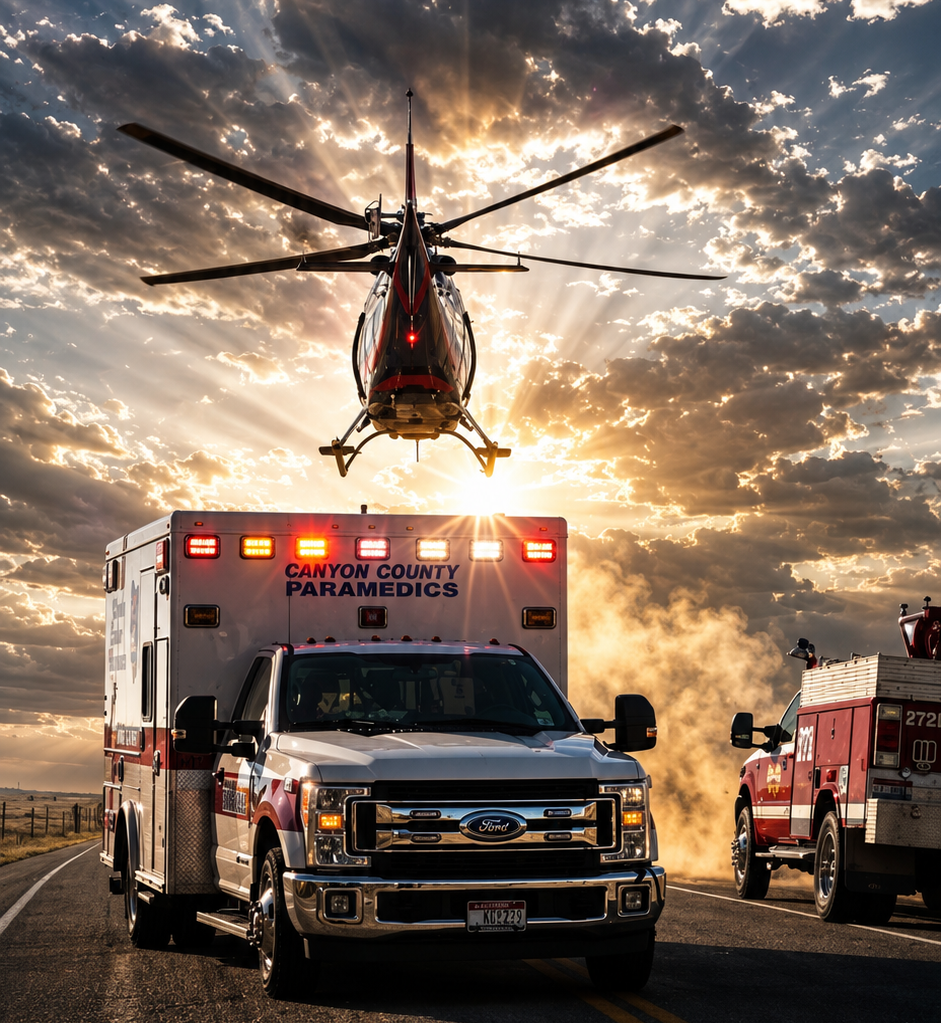
TVEMSS is eight local agencies that have joined to form the Treasure Valley EMS System. Six of these agencies are under one EMS license and they include: Canyon County Paramedics, Nampa Fire, Caldwell Fire, Middleton Fire, Melba QRU, and Wilder Fire. Two agencies are affiliated with TVEMSS but retain their own license and they are: Homedale Ambulance and Kuna Fire.
Fire Protection
Melba Rural Fire Protection District was established in 1962 and is an all-hazards department that responds to structure fires, medical emergencies, wildland fires, rescues, and calls for public service. The Melba Rural Fire Protection District is a mix of urban, rural, agriculture and wildland areas. The district provides protection services for the City of Melba, the Southern portion of Canyon County, and a portion of Southeast Ada County. The Melba Rural Fire Protection District also provides mutual aid services to multiple entities in the southeast portion of Canyon, and Ada County as well as surrounding agencies. Find out how to keep your family safe from house fires. Melba Rural Fire Protection District covers of many miles of which are grassland, wildland or farmland. Brush fires are common during the summer and MEFD provides wildland response to such incidents, and coordinates with BLM on many incidents as well. For information on wildfires burning in the United States, visit https://inciweb.nwcg.gov/.
Car Seat Safety & Appointments
Battalion Chief Anthony Anselmo
email: CPS Technician Anthony Anselmo at: anthony.anselmo@melbafire.id.gov
appointments are required:
you can email directly or fill the form out on the bottom, and after the videos on this tab
If you are requesting a state funded care seat please state that also in your message
Every time you buckle up your child, you’re taking a powerful step to protect them from harm. Car crashes are one of the leading causes of injury and death for children, but the right seat, used correctly, can make all the difference. Keeping Kids Safe, I am a Car Seat Technician certified through the National Child Passenger Safety Certification program and Safe Kids Worldwide. As a Car Seat Technicians I assist families with new car seat installation, car seat checks, and educating families about safely transporting your children. Car seat installations and safety checks are ALWAYS free. Find a Certified Child Passenger Safety Technician Near You
Essential Items to Bring
The vehicle you use most often to drive your child. The car seat with all of its parts and pieces, including both infant bases and carriers if applicable. Car seat manual from the manufacturer. Vehicle owner’s manual. Your child, so the expert can check the fit and harness size directly
If Your Unable to Bring Your Child
Height and weight of your child if they cannot attend. Age of your child.
Yes, even if your child has not been born yet we can help you install your car seat, and teach you how to install it into other vehicles also.
Car Seat safety tips
Select the right car seat for your child’s age and size.
Install the car seat correctly by following the manufacturer’s instructions. A properly installed car seat should not move more than an inch side-to-side when tested at the belt path.
Ensure a snug harness fit. The harness straps should lie flat without twists and be snug enough that you cannot pinch any excess webbing at the shoulder.
Position the chest clip properly. Place the chest clip at armpit level to keep the harness straps positioned correctly on your child’s shoulders.
Keep children rear-facing as long as possible.
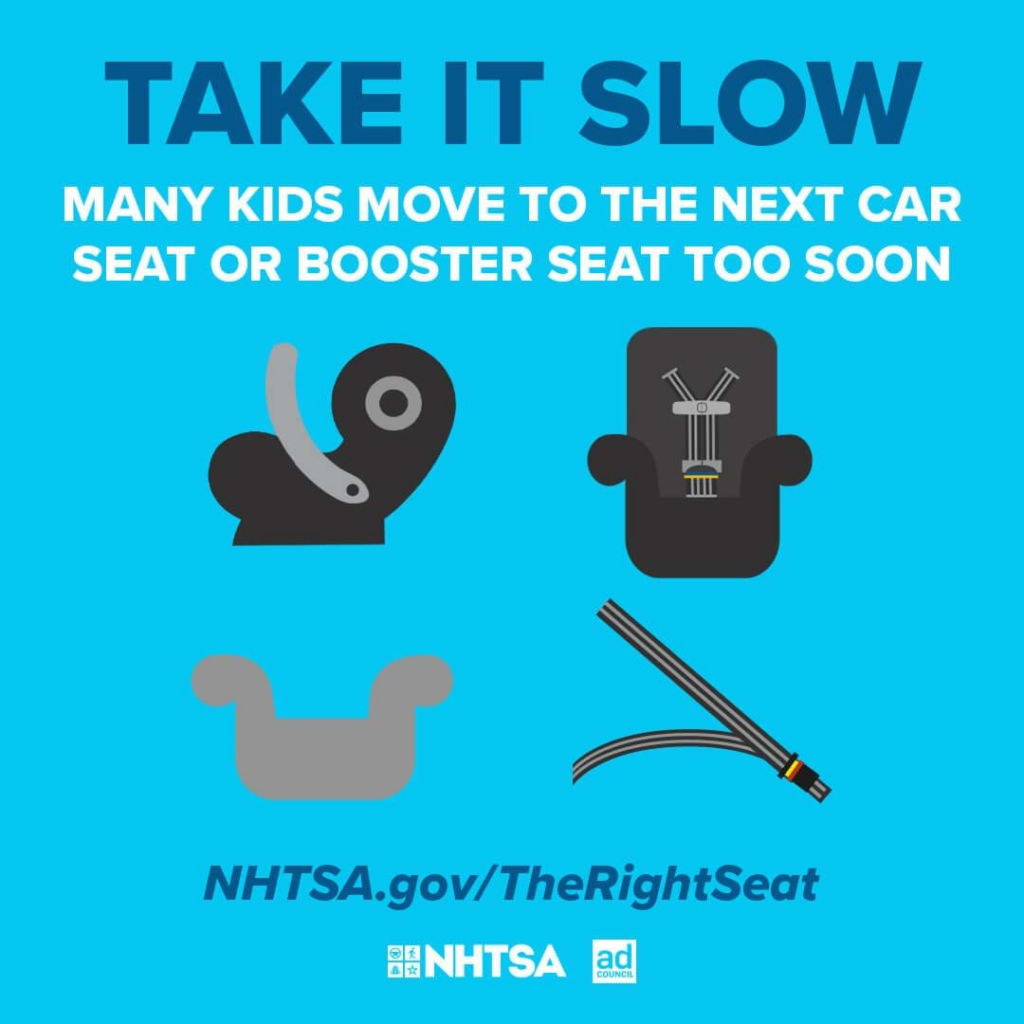
Move to the next type of car seat when your child reaches the maximum weight or height limit listed on the car seat label.
Yes. Just contact the email above and make an appointment. Yes there might be a chance you also catch me at the station too, but the best bet is to schedule an appointment with me.
Transitioning depends on your child’s age, height and weight. Each stage – rear-facing, forward-facing, booster seat and seat belt – has specific safety guidelines. Review recommendations from the NHTSA
It’s best to AVOID secondhand seats unless you know the seat’s full history. Used seats may be expired, recalled or have hidden damage from previous crashes.
Yes, most car seats expire 6-10 years after the manufacture date, which is printed on a label on the seat. Always check for an expiration date before use.
You can still safely install a car seat using the vehicles seat belt. Most car seats are designed to work with either method. Be sure to check your car seat and vehicle manuals for proper instructions.
In recent years, there has been an increase in counterfeit car seats being sold online, particularly through third-party sellers on popular retail websites. These fake seats may appear legitimate, but they often fail to meet U.S. safety standards and can put children at serious risk in a crash. There is also car seats that come from out of the the United States that also do not meet U.S. safety standards.
To make sure your car seat is genuine and compliant, verify that your seat has the following:
A 5-point harness with straps that go over the hips and shoulders
A chest clip
A metal splitter plate in the back of the seat
Labeling with specific weight and height limits
Manufacturer label with name, model number, date of manufacture, and expiration dates
Road injuries are the leading cause of preventable deaths and injuries to children in the United States.
Correctly used child safety seats can reduce the risk of death by as much as 71 percent.
Three out of four car seats are not used or installed correctly.
Senior Smoke Detector Assistance Program
The Melba Rural Fire Protection District offers a Senior Smoke Detector Assistance Program to help ensure our senior residents have properly installed and functioning smoke detectors in their homes.
As part of this program, Melba firefighters will come directly to a senior resident’s home and assist with their smoke detectors. Our firefighters can:
Replace batteries in existing smoke detectors.
Install smoke detectors that the resident already has but needs assistance placing or mounting.
Check existing smoke detectors to help ensure they are properly located and functioning.
Install new smoke detectors, when available, in homes that do not have enough detectors or are lacking appropriate smoke detector coverage.
Provide basic smoke detector and home fire-safety education to help residents better protect themselves and their homes.
The goal of the program is simple: to make sure our senior residents have working smoke detectors and are protected in the event of a fire.
Melba Rural Fire Protection District is committed to serving our community beyond emergency response. By helping our seniors maintain working smoke detectors, we can help identify potential problems before an emergency occurs and provide an additional level of safety for some of the most valued members of our community.
If you need help changing the batteries in your smoke detectors, replacing smoke detectors, checking existing smoke detectors, or providing basic smoke detector, and/or home safety education please call (208) 495-2351 to make a request. If you are apart of or even around the Melba Senior Center they have a list inside to sign up.
How often should I change my smoke detector batteries?
Standard 9-Volt Batteries: Change every year. Use the time change in spring and fall as your reminder. Hardwired Alarms: Change the backup battery every 12 months, even though the unit runs on home electricity. 10-Year Sealed Lithium Batteries: Do not open or change the batteries. Instead, replace the entire unit after 10 years.
How often should I change my smoke detector?
You should replace smoke detectors every 10 years, or sooner if they are not working properly. Check the back of the unit for the manufacture date; add 10 years to this date to find the replacement year. It is also recommended to replace any combination smoke and carbon monoxide (CO) detectors every 7 years.